
Variety Selection and Harvesting
The quality and value of cashew nuts and fruit products are directly influenced by the harvesting and preservation methods employed. Therefore, it is crucial to use proper techniques for harvesting and preservation to maintain the inherent quality of the product.
1. Determining Seed and Fruit Ripeness
It is important to differentiate between physiological and morphological ripeness. Physiological ripeness is the stage when the embryo and seed have fully developed and can germinate into a plant under favorable conditions, but the biochemical transformation within the harvested product has not yet been completed.
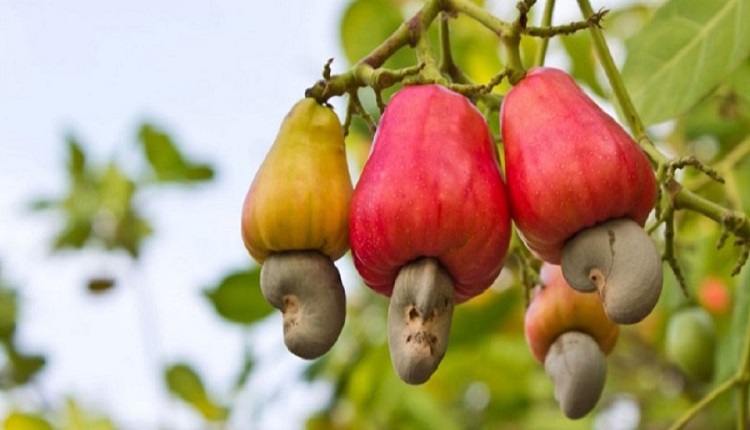
Morphological ripeness, on the other hand, is the stage when the fruit has fully ripened and usually occurs after physiological ripeness. Therefore, to ensure high-quality products, it is necessary to harvest the fruit when it is fully ripe. In the case of cashew fruit, a sign of ripeness is when the outer color of the fruit turns red or yellow, depending on the variety.
At this stage, the fruit has the lowest acidity, the flesh is soft, succulent, sweet, and possesses a characteristic aroma. For seeds, morphological ripeness is indicated when the seed coat changes from green to gray-brown.
Attention Required: Harvesting Cashews
Typically, the seeds ripen a few days after the fruit, causing the fruit to become overripe and fall to the ground. Since the seeds are the most economically valuable part of the cashew, they can be harvested by collecting them from the ground after the fruit has fallen to ensure the highest quality.
Prior to harvesting, it is important to clear the grass and dry leaves from under the tree to easily locate the fallen cashews. This helps ensure efficient harvesting and minimizes contamination of the harvested seeds.
2.Harvesting Methods:
There are two harvesting methods that can be chosen based on production requirements:
Harvesting from Trees
If both the nuts and fruits need to be harvested, collection is carried out on the tree. This method can be labor-intensive but allows for the fruit to be used for other purposes. After picking the fruit, the seeds and fruits are separated. However, it is important to use or process the fruit immediately as it can spoil easily due to fermentation that occurs within 24-36 hours after harvesting. This presents a challenge in the transportation and processing of cashew nuts.
Collecting from the Ground
Alternatively, if there is no need to use the cashew fruit, it can be allowed to fall to the ground and collected every 2-3 days in dry weather or daily during rainy periods. This is a common harvesting method in cashew orchards as it saves harvesting time and ensures grain quality. However, measures must be taken to prevent loss of harvest and minimize losses. Proper care should be taken to promptly collect the fallen fruits and protect them from spoilage and contamination.
Cashew nuts
3. Method of Separating Fruit and Seeds
Once harvested, the fruit needs to be separated from the seeds. The seeds should be de-stemmed, and the fruit pulp should be removed from the stem and thoroughly washed. It is important to clean off any sandy soil to prevent interference with grain sorting during processing.
4. Drying Cashews
After cleaning, cashews need to be dried for 2-3 days to ensure that the moisture content of the kernels is below 9% (pressing a finger into the seed shell should not leave any marks). A sieve with 1cm holes can be used to remove foreign objects from the seeds.
Research indicates that cashews with a moisture content of 9% can be easily preserved without affecting the quality of the cashew kernels inside.
This preliminary processing is crucial both technically and economically as cashews are raw materials that need to be supplied to processing plants throughout the year.
CAUTION WHEN DRYING SEEDS
It is important to be cautious when drying cashew seeds to avoid potential issues. Seeds with excessive moisture content can be susceptible to mold during storage. Additionally, cashew kernels with high fat content (ranging from 38-47%) can be easily damaged, resulting in a change in color from white to yellow, and ultimately reducing the value of the product.
Several factors can impact the quality of cashew nuts, including harvesting seeds that are not fully ripe (young seeds), seeds with moisture content exceeding 9%, and improper storage in locations lacking proper ventilation and coolness. Care should be taken to ensure these factors are addressed during the drying process to maintain the quality of the cashew kernels.